Beginning with Business Travel Expense Management Software Comparison: Cost Per User for US Enterprises, the narrative unfolds in a compelling and distinctive manner, drawing readers into a story that promises to be both engaging and uniquely memorable.
In the realm of business travel expense management, the efficiency and cost-effectiveness of software solutions play a crucial role in the success of enterprises. This comparison delves into the intricate details of cost per user for US enterprises, shedding light on key aspects that impact decision-making and financial outcomes.
Business Travel Expense Management Software Features
When it comes to managing business travel expenses, having the right software can make all the difference. Here are some key features that are essential for effective expense management software:
Automated Expense Reporting
- Allows employees to easily capture receipts and submit expense reports digitally.
- Automatically categorizes expenses and calculates totals, reducing manual data entry errors.
- Streamlines the approval process and speeds up reimbursement for employees.
Integration with Corporate Credit Cards
- Synchronizes transactions from corporate credit cards directly into the system.
- Matches expenses with receipts for easy reconciliation and audit trail.
- Provides real-time visibility into spending patterns and budget compliance.
Policy Compliance Monitoring
- Flags expenses that violate company policies, such as exceeding per diems or booking non-preferred vendors.
- Automates policy enforcement to ensure consistency and reduce compliance risks.
- Generates alerts for managers to review and approve exceptions.
Mobile Accessibility
- Enables employees to capture receipts and submit expenses on-the-go using their mobile devices.
- Provides real-time updates on expense approvals and reimbursement status.
- Improves efficiency and accuracy by allowing immediate documentation of expenses.
These features offered by different business travel expense management software solutions help streamline expense reporting for enterprises, saving time and improving accuracy in managing expenses.
Cost Analysis of Business Travel Expense Management Software
When evaluating business travel expense management software, it is crucial to consider the various cost components associated with these solutions. Understanding how the cost per user varies based on the size of the enterprise and comparing pricing models of different software providers can help US enterprises make informed decisions.
Breakdown of Cost Components
- Licensing fees: These are one-time or recurring fees paid to access the software.
- Implementation costs: Costs associated with setting up and customizing the software for the enterprise’s specific needs.
- Training and support fees: Expenses related to training employees on how to use the software and ongoing support services.
- Integration costs: Additional costs for integrating the software with other systems or applications.
Cost per User Variations
- Small Enterprises: Smaller companies may opt for cost-effective solutions with lower upfront costs and simpler features.
- Medium Enterprises: Medium-sized businesses may require more advanced features and customization, leading to higher costs per user.
- Large Enterprises: Larger corporations often invest in comprehensive solutions with extensive features, resulting in higher costs per user.
Pricing Models and Implications
Some software providers offer subscription-based models where US enterprises pay a monthly or annual fee per user. Others may charge based on the number of transactions processed or the level of service required. It is essential for companies to evaluate pricing models carefully to determine the most cost-effective option that aligns with their budget and operational needs.
Implementation Process and Integration Capabilities
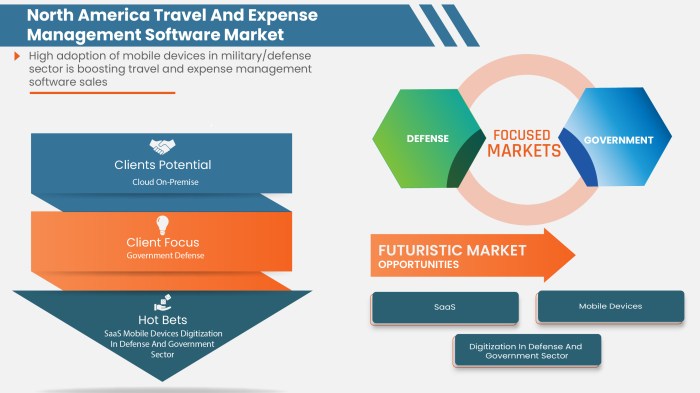
When it comes to implementing expense management software within an enterprise, there are several key steps involved to ensure a smooth transition. It is crucial to consider the integration capabilities of the software with existing tools to maximize efficiency and effectiveness.
Steps in Implementing Expense Management Software
- Conduct a thorough assessment of current expense management processes and identify areas for improvement.
- Select a suitable expense management software solution that aligns with the organization’s needs and budget.
- Customize the software to fit the specific requirements of the enterprise, including setting up approval workflows and expense categories.
- Provide comprehensive training to employees on how to use the software effectively and efficiently.
- Run a pilot program to test the software before full implementation, gathering feedback and making necessary adjustments.
- Roll out the software across the organization, monitoring its performance and addressing any issues that may arise.
Challenges and Best Practices for Integration
- Challenge: Ensuring seamless integration with existing tools such as accounting software and ERP systems.
- Best Practice: Work closely with the software provider and IT department to map out integration requirements and establish clear communication channels.
- Challenge: Data migration and consolidation from multiple sources into the new expense management system.
- Best Practice: Develop a data migration plan that includes data cleansing, mapping, and validation to ensure accuracy and completeness.
- Challenge: Managing change and resistance from employees accustomed to manual expense processes.
- Best Practice: Provide ongoing support and training to employees, emphasizing the benefits of the new software and addressing concerns proactively.
Successful Integration Strategies for US Enterprises
- Example: ABC Corp partnered with a leading expense management software provider to integrate their system with existing accounting software seamlessly.
- Example: XYZ Inc implemented a phased approach to integration, starting with a small team to test the software before rolling it out company-wide.
User Experience and Mobile Accessibility
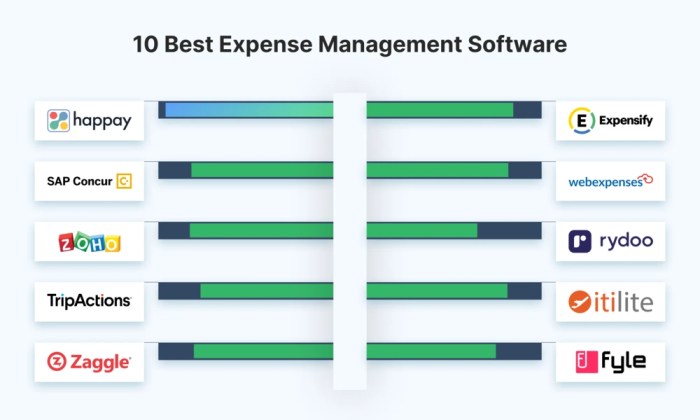
In today’s fast-paced business environment, user experience and mobile accessibility are crucial factors to consider when choosing a business travel expense management software. The ease of use and the ability to access the software on the go can greatly impact the efficiency of managing expenses for both the employees and the finance team.
User Experience
User experience plays a significant role in determining the effectiveness of expense management software. A user-friendly interface, intuitive navigation, and clear instructions can make the process of entering and tracking expenses much smoother for employees. It is essential to choose a software solution that minimizes the learning curve and provides a seamless experience for users.
- Provide customizable dashboards for users to easily view their expenses and reports at a glance.
- Offer automated features such as receipt scanning and expense categorization to streamline the expense entry process.
- Ensure prompt notifications and reminders for pending approvals and policy violations to keep users informed and compliant.
Mobile Accessibility
With the increasing trend of remote work and business travel, mobile accessibility has become a necessity for expense management software. Employees need to be able to submit expenses and manage reports from anywhere at any time, using their smartphones or tablets.
It allows for real-time updates and approvals, improving the overall efficiency of the expense management process.
- Ensure that the software is compatible with both iOS and Android devices for widespread accessibility.
- Provide a mobile app with features that mirror the desktop version for a consistent user experience across platforms.
- Implement secure login and data encryption protocols to protect sensitive financial information when accessed on mobile devices.
Wrap-Up
As we wrap up this exploration of Business Travel Expense Management Software Comparison: Cost Per User for US Enterprises, it becomes evident that the landscape of expense management is evolving rapidly to meet the dynamic needs of modern businesses. With a focus on cost efficiency and user experience, enterprises can navigate this terrain with informed decisions and strategic implementations to enhance productivity and streamline operations.
Expert Answers
What are the key features essential for effective expense management software?
Key features include automated receipt capture, real-time expense tracking, customizable approval workflows, and integration with accounting systems.
How does the cost per user vary based on the size of the enterprise?
The cost per user typically decreases as the size of the enterprise increases due to economies of scale and volume discounts.
What pricing models do different software providers offer, and how do they impact US enterprises?
Software providers offer subscription-based, tiered pricing, and pay-per-use models, each with implications on budgeting and scalability for US enterprises.
What are the challenges in integrating expense management software with existing tools?
Challenges include data migration, compatibility issues, and user training, requiring a structured approach and clear communication to overcome.
Why is mobile accessibility important in today’s business travel environment?
Mobile accessibility ensures employees can manage expenses on-the-go, improving efficiency and compliance with expense policies in a fast-paced business landscape.





![[2025] Complete Guide to Corporate Travel Management - ExpenseIn Blog](https://holiday.siadit.net/wp-content/uploads/2026/01/corporate-travel-solutions-120x86.jpg)