Delving into “Trip Business” Travel Platform Alternatives and Pricing for US Small Businesses (Comparison), this introduction immerses readers in a unique and compelling narrative, with a casual formal language style that is both engaging and thought-provoking from the very first sentence.
In the following paragraphs, we will explore the top business travel platforms in the US, compare pricing models, delve into user experience and interface, and discuss integration and customization options for small businesses.
Explore the Business Travel Platforms
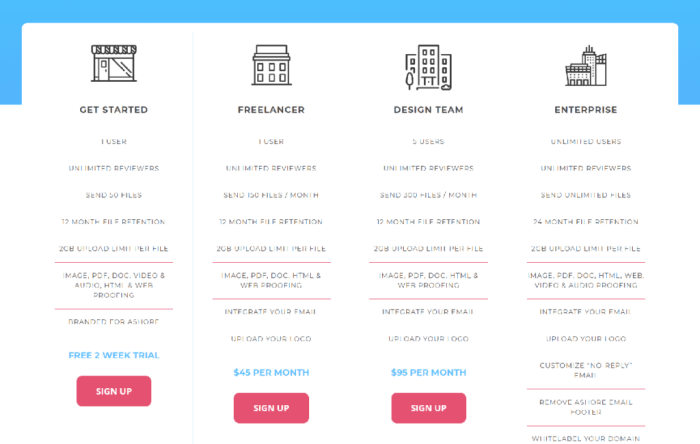
When it comes to business travel platforms in the US, there are several options available for small businesses looking to streamline their travel booking processes. Each platform offers unique features and benefits tailored to meet the specific needs of small businesses.
Top Business Travel Platforms
- Concur:Concur is a popular choice for small businesses due to its user-friendly interface and expense tracking capabilities. It allows employees to book flights, hotels, and rental cars all in one place, making it convenient for both travelers and managers.
- Expensify:Expensify focuses on simplifying the expense reporting process for small businesses. It allows users to easily capture receipts, track mileage, and create expense reports on the go, helping businesses save time and money.
- SAP Concur:SAP Concur offers a comprehensive travel management solution that helps small businesses manage their travel expenses efficiently. It integrates with accounting software to provide real-time insights into travel spending, enabling businesses to make informed decisions.
Pricing Models Comparison
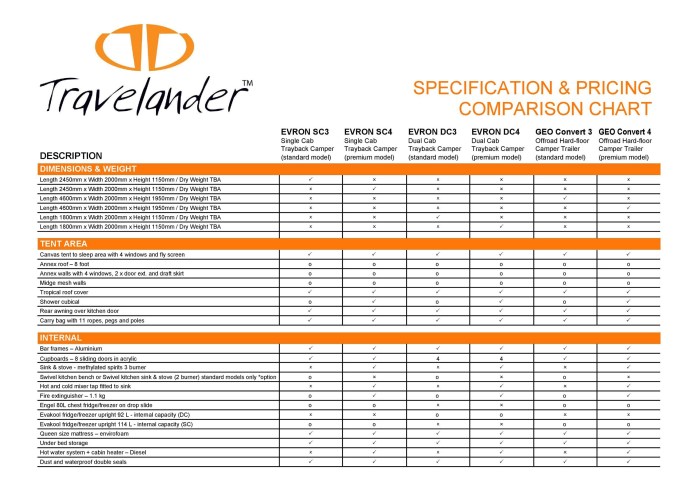
When it comes to selecting a business travel platform, understanding the pricing models is crucial for small businesses to make informed decisions. Let’s analyze the pricing structures of different platforms, compare the costs involved, and identify any hidden fees that small businesses should be aware of.
Cost Breakdown
- Platform A offers a subscription-based model, charging a monthly fee of $50 per user. This can be cost-effective for small businesses with a fixed number of travelers.
- Platform B follows a pay-per-booking model, charging a 5% commission on each booking made through the platform. While this may seem affordable initially, it can add up for frequent travelers.
- Platform C provides a tiered pricing structure, with different packages based on the number of features and users. Small businesses can choose a package that suits their needs and budget.
Hidden Fees
- Some platforms may charge additional fees for premium customer support or access to advanced features. Small businesses should carefully review the terms and conditions to avoid unexpected costs.
- Cancellation fees, booking change fees, or transaction fees may not be explicitly stated in the pricing structure. It’s essential for small businesses to clarify these fees upfront to avoid surprises.
User Experience and Interface
When it comes to business travel platforms, the user experience and interface play a crucial role in ensuring a smooth booking process for small business travelers. Let’s evaluate the user interface of each platform and discuss the ease of use for users.
Platform A: User Interface
- The interface of Platform A is clean and user-friendly, with a simple layout that makes it easy for small business travelers to navigate.
- Users can easily search for flights, hotels, and rental cars, with filters to refine their search results based on their preferences.
- The booking process on Platform A is streamlined, with clear instructions and prompts to guide users through each step.
Platform B: User Interface
- Platform B offers a modern and visually appealing interface, designed to provide a seamless experience for small business travelers.
- The platform features interactive maps, real-time pricing updates, and personalized recommendations based on user preferences.
- Users can easily manage their bookings, track expenses, and access customer support directly through the platform.
Integration and Customization Options
When it comes to using a business travel platform for small businesses, integration with other tools and customization options are crucial factors to consider. Let’s delve into the capabilities and limitations in this area.
Integration Capabilities
- Most business travel platforms offer integration with popular tools like calendar apps, expense management software, and CRM systems.
- Seamless integration allows for easy transfer of data between platforms, streamlining the booking and expense tracking process.
- Some platforms may offer API access for more advanced integration with proprietary business tools.
Level of Customization
- Small businesses often have the option to customize their travel platform dashboard with branding elements such as logos, color schemes, and company information.
- Customizable reporting features may allow businesses to track specific metrics or expenses relevant to their operations.
- Advanced customization options, such as creating unique approval workflows or adding specific travel policies, may be available on certain platforms.
Limitations in Integration and Customization
- Some business travel platforms may have limitations in terms of integration with niche or less commonly used business tools.
- Customization options may be restricted on certain platforms, limiting the ability to tailor the platform to specific business needs.
- Complex customization requirements may incur additional costs or may not be supported by the platform’s existing features.
Final Summary
Concluding our discussion on “Trip Business” Travel Platform Alternatives and Pricing for US Small Businesses (Comparison), we have unraveled the key aspects that businesses need to consider when choosing the right travel platform.
Questions Often Asked
What are some hidden fees small businesses should be aware of when using business travel platforms?
Some business travel platforms may have additional fees for premium features or last-minute bookings, so it’s crucial for small businesses to review the terms and conditions carefully.
How customizable are these travel platforms for small businesses?
The level of customization varies among platforms, with some offering more flexibility in terms of branding, reporting, and policy settings, while others may have more limitations.
Which business travel platform offers the most seamless booking process for users?
While user experience can be subjective, platforms that prioritize user-friendly interfaces, quick booking processes, and efficient support tend to offer a more seamless experience for small business travelers.
![[2025] Complete Guide to Corporate Travel Management - ExpenseIn Blog](https://holiday.siadit.net/wp-content/uploads/2026/01/corporate-travel-solutions-75x75.jpg)


![[2025] Complete Guide to Corporate Travel Management - ExpenseIn Blog](https://holiday.siadit.net/wp-content/uploads/2026/01/corporate-travel-solutions-120x86.jpg)